Monaco Grand Prix: Where Speed, Glamour and Prestige Collide
The roar of engines, the flash of superyachts in the harbour, and the unmistakable glamour of the French Riviera can only mean one thing: the return of the Monaco Grand Prix. Each year, this legendary race transforms the tiny principality into the centre of the sporting world, drawing royalty, celebrities, business leaders, and motorsport fans from across the globe. I’m looking forward to being there.
Unlike any other race on the Formula One calendar, Monaco is not simply about speed. It is about precision, prestige, and spectacle. The narrow streets of Monte Carlo become one of the most technically demanding circuits in motorsport, where drivers thread their cars between barriers with millimetre accuracy. There is no margin for error. One small mistake can end a race in seconds, which is exactly why winning in Monaco carries such status within Formula One.
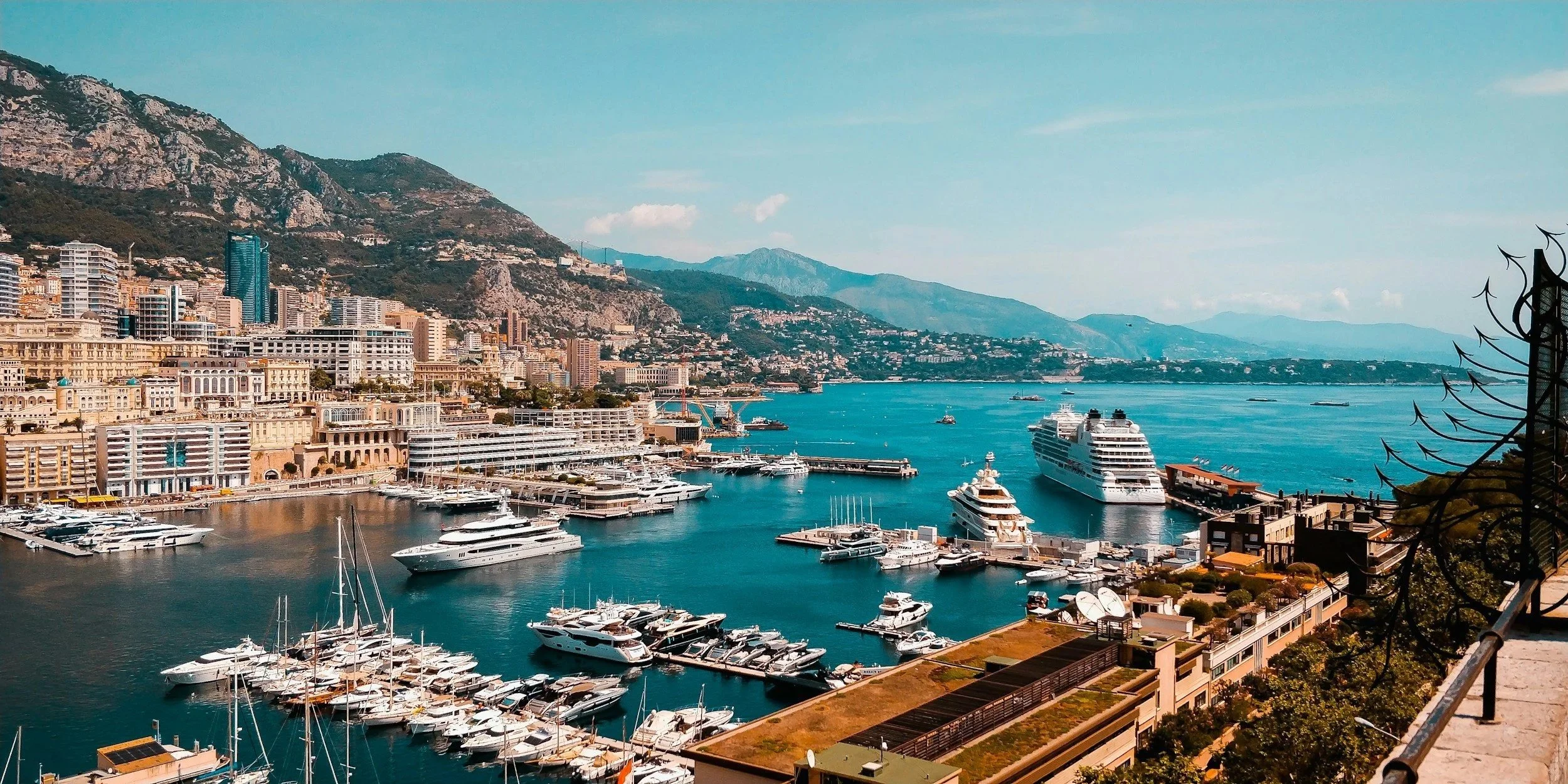
The glamour of Monaco
For the Principality of Monaco, the Grand Prix is far more than a sporting event. It is a global showcase. Television audiences numbering in the hundreds of millions see sweeping images of luxury hotels, elegant casinos, cliffside apartments, and the famous harbour packed with yachts. For many viewers, Monaco represents aspiration, sophistication, and exclusivity, and the Grand Prix amplifies that image every year.
The economic impact on Monaco is significant. Hotels operate at premium rates, restaurants are fully booked, and local businesses benefit from an influx of international visitors. Temporary hospitality suites, media facilities, and event infrastructure appear almost overnight, creating an extraordinary logistical operation in a country that covers little more than two square kilometres. It is a remarkable demonstration of planning and precision, with the streets carefully converted from ordinary roads into one of the world’s most iconic racing circuits.
Yet what makes Monaco truly special is the atmosphere. There is a unique energy during race week. Cafés buzz with conversation in multiple languages, terraces overlook practice sessions, and luxury cars line the streets alongside passionate fans hoping to catch a glimpse of their favourite drivers. The excitement builds steadily from the first practice laps through to the drama of qualifying, which many believe is the most important session of the weekend. On a circuit where overtaking is notoriously difficult, securing pole position often determines who will stand on the top step of the podium.

The race itself is a fascinating blend of strategy, concentration, and endurance. Drivers must maintain intense focus for every lap, knowing that the barriers are unforgiving and the circuit leaves little room to recover from mistakes. The famous tunnel, the tight Fairmont Hairpin, and the fast approach to the harbour-front chicane have all become legendary sections of the track, instantly recognisable even to casual sports fans.
Monaco’s connection to Formula One stretches back almost a century, and the race remains one of the sport’s crown jewels. While Formula One continues to expand into new global destinations, Monaco retains an emotional connection to the history and heritage of motor racing. Winning here places drivers alongside some of the greatest names in the sport, from Ayrton Senna to Graham Hill and Lewis Hamilton.
Beyond the glamour and prestige, the Monaco Grand Prix also reflects something deeply human: the fascination with pushing limits in challenging environments. The race is a reminder that high performance often emerges under pressure, where focus and resilience become the difference between success and failure.